
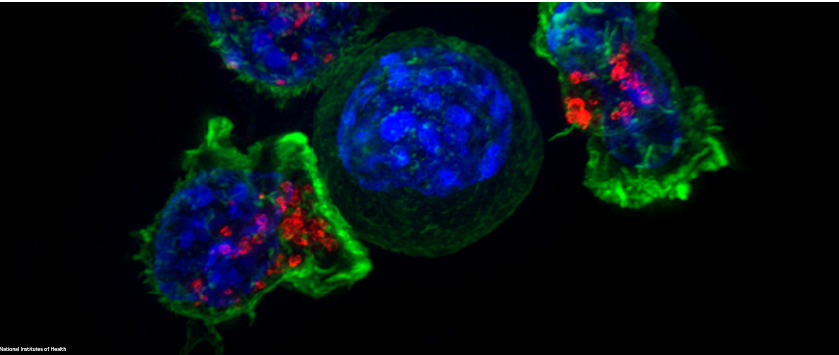
Immunotherapy for Chronic Disease Driven by Viral Infections & Cancer
Pinion combines antigen engineering, messenger RNA, proprietary lipid nanoparticles, and disease-specific immune strategies to create immunotherapies for treatment of diseases due to persistent viral infections and cancer. The platform is designed to deliver the right antigens to the right immune cells by the route best suited to each program in order to arrest or cure chronic diseases.
Pinion’s RNA Platform is Coupled to our Clinically Directed, In-House Discovery Engine
Pinion begins with the biology of each disease: the antigen specific immune responses to recognize infected or malignant cells and the delivery strategy most likely to reverse the targeted pathology. Our integrated approach connects discovery, formulation, preclinical and clinical development for a medically relevant solution.
Engineered Antigen Design
AI-enabled and structure-guided methods help identify immune targets, stabilize difficult viral proteins, and optimize antigen presentation. The capabilities support both T-cell-directed immunotherapies and neutralizing-antibody programs.
mRNA + LNP Delivery
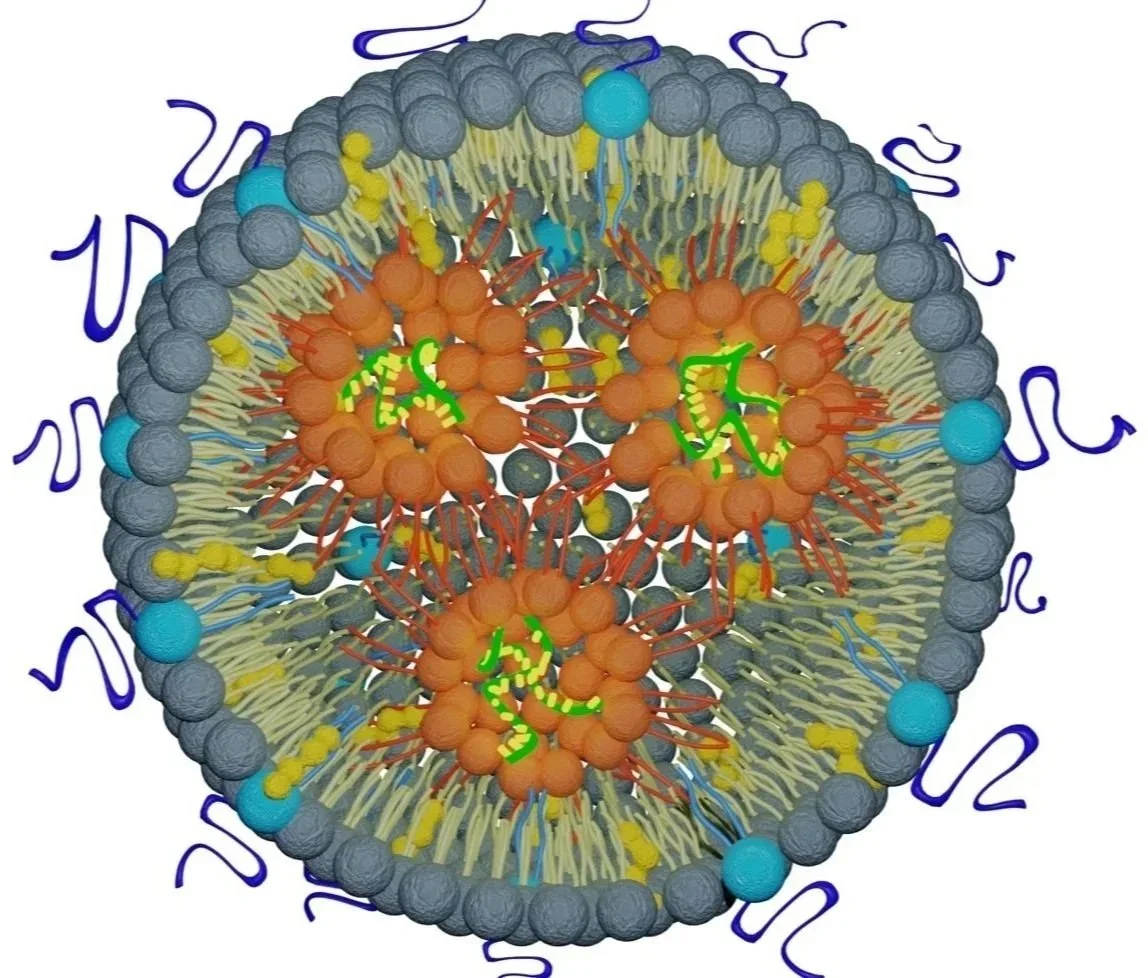
Pinion uses mRNA to express selected antigens and its proprietary ARV-T1 ionizable lipid to deliver them. The formulation is designed to optimize antigen expression and uptake by antigen-presenting cells.
Program-Specific Immunity
Each candidate is engineered around the immune response its disease requires. HPV-16 calls for targeted E6/E7-specific CD8+ T cells. Herpesvirus programs combine neutralizing-antibody and cellular responses. Cancer vaccines target highly-specific tumor antigens.
Integrated Discovery and Clinical Translation
Pinion's in-house laboratory and animal research capabilities connect antigen design, mRNA synthesis, LNP formulation, in vitro validation, and in vivo proof of concept. This allows the team to test and refine core design choices efficiently and define impactful clinical candidates.
The platform supports distinct immune strategies across HPV, EBV, HSV, hepatitis B, and cancer programs.
The Viruses We Carry
Viral infection is often recognized acutely through the lens of: exposure, illness, recovery. However, an infection may evolve and can drive persistent chronic disease throughout one’s lifetime. The biological story does not always end when acute symptoms resolve. EBV and HSV establish lifelong latency post-acute infection and can reactivate and cause chronic disease. Hepatitis B can become chronic and contribute to progressive liver disease and cancer. High-risk HPV can persist long enough to cause cervical precancer.
Greg Macpherson, founder of SRW Laboratories, has described the combined lifelong impact of persistent viruses as “Personal Viral Burden”. This is an emerging conceptual framework, not a clinical score, biomarker, or endpoint. It draws attention to an important therapeutic question: how can the immune system recognize and control persistent viral threats with greater precision?
Viruses can persist after the initial infection and continue to demand immune surveillance.
Latent viruses can reactivate, renewing symptoms, increasing transmission risk, or inducing immune dysfunction.
Some persistent infections can alter cells and create a pathway to precancer or cancer.
Technology Capabilities Across the Pipeline
Pinion adapts its antigen design, formulation, and immune strategy to the biology of each program. Three capabilities illustrate how the platform extends across persistent viral disease and cancer.
Next-Generation LNP Formulation
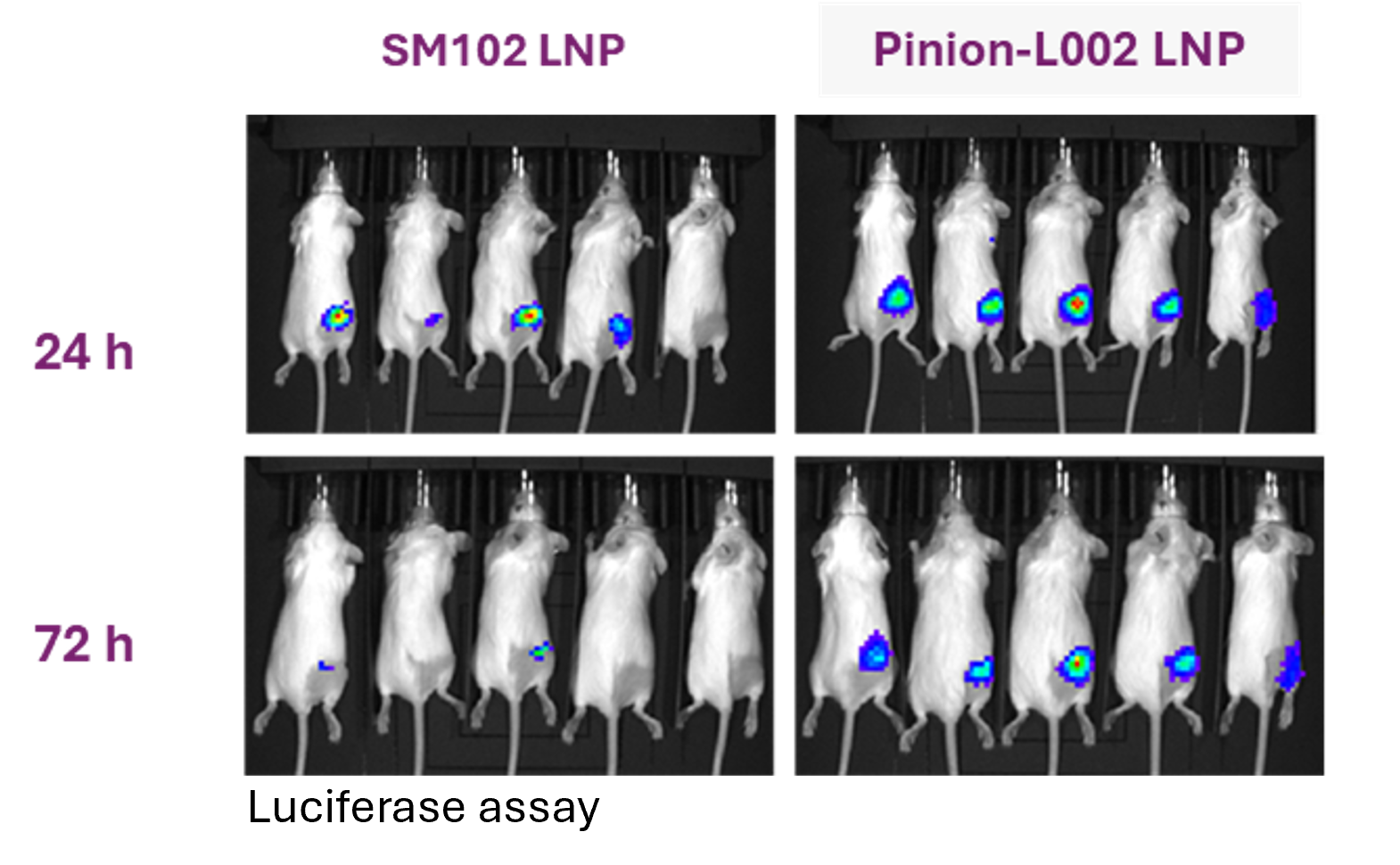
Pinion's ARV-T1 formulation uses a cholesterol-tailed ionizable lipid designed to improve mRNA delivery. Peer-reviewed preclinical work reported increased mRNA delivery in vitro and in vivo. In the ARV-2001 program, the formulation is paired with intradermal administration to reach antigen-presenting cells in the skin.
AI-Designed Prefusion-Like gB
The herpesvirus envelope protein gB changes shape during viral entry. Pinion applies computational and structure-guided design to stabilize a prefusion-like form intended to expose important antibody targets. In preclinical studies across HSV-1, HSV-2, and EBV, these proprietary designs generate stronger neutralizing-antibody responses than wild type antigens.

Dendritic Cell Antigen Reprogramming
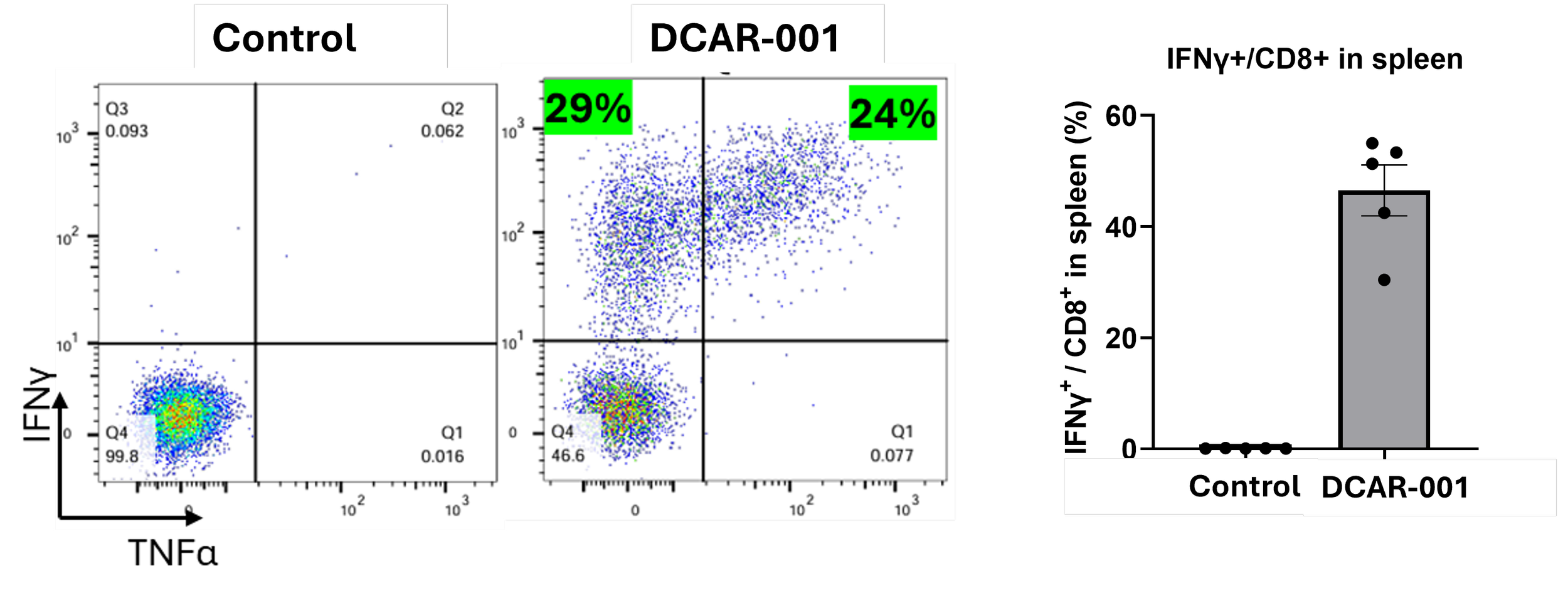
Dendritic Cell Antigen Reprogramming, or DCAR, is Pinion's oncology application of the platform. DCAR is designed to reprogram dendritic cells in vivo to present selected tumor antigens and activate HLA-restricted CD8+ T-cell responses and induces very high levels of activated tumor specific T-cells that exceed those induced by mRNA alone. The approach is intended to improve presentation of disease-relevant antigens by focusing the antigen presentation apparatus on relevant tumor=specific antigens and reducing competition from irrelevant self-antigens.
Across these applications, the antigen, immune response, delivery route, and regimen change with the program. The strengths of mRNA, AI antigen design and selection, and the Pinion LNP drive the strategy .
The Platform in Practice
ARV-2001 for HPV-16 Cervical Precancer
ARV-2001 is an intradermally administered mRNA-LNP immunotherapy in development for women with HPV-16-positive cervical high-grade squamous intraepithelial lesions, also called CIN2/3. These lesions are the immediate precursor to cervical cancer. The program illustrates how Pinion integrates antigen design, formulation, delivery route, and treatment strategy around a specific biological problem.
Four Integrated Design Choices
Engineered HPV-16 Targets
ARV-2001 encodes modified, non-oncogenic forms of the HPV-16 E6 and E7 proteins, which sustain HPV-transformed cells.
Built-In T-Cell Help
The E6/E7 construct is fused to a CD4-helper-epitope-rich S2 domain designed to strengthen T-cell support.
Intradermal Delivery
Delivery into the skin is designed to access abundant antigen-presenting cells. In mice, intradermal administration produced stronger E6/E7-specific T-cell responses, better tumor control, and better survival than the same dose delivered intramuscularly.
Prime-Pull Strategy
The planned clinical study will evaluate ARV-2001 alone and with topical/cervical imiquimod, which is intended to help recruit vaccine-primed T cells into the cervical lesion.
What the Preclinical Data Show
- In the TC-1 mouse tumor model, intradermal ARV-2001 produced stronger, dose-dependent E6/E7-specific CD8+ T-cell responses and outperformed intramuscular delivery at the same dose on tumor control and survival.
- The S2 helper domain and imiquimod each enhanced antitumor activity and tumor-infiltrating immune responses in preclinical models.
- The modified E6/E7-S2 antigen did not degrade p53, deregulate the Rb pathway, or support anchorage-independent growth in the tested in vitro systems.
- The integrated preclinical package supported the ARV-2001 Investigational New Drug application, which the FDA cleared in January 2026.
Integrated Preclinical Development
Pinion's in-house laboratory and animal research capabilities support antigen design, mRNA synthesis, LNP formulation, in vitro validation, and in vivo proof of concept. Keeping these early steps closely connected reduces handoffs, supports rapid iteration, and allows capital to remain focused on program advancement.
Peer-Reviewed Publications
He Z, Zhu H, Jeon JH, Chen J, Glenn GM, Xu R. Preclinical Development of ARV-2001, an Intradermally Administered mRNA-Lipid Nanoparticle Immunotherapeutic for the Treatment of HPV-16-Positive Cervical High-Grade Squamous Intraepithelial Lesions. Vaccines. 2026;14(8):714. doi:10.3390/vaccines14080714.
Jeon JH, Zhu H, Qin J, et al. Lipid Nanoparticles Formulated with a Novel Cholesterol-Tailed Ionizable Lipid Markedly Increase mRNA Delivery Both in vitro and in vivo. International Journal of Nanomedicine. 2025;20:9389-9405. doi:10.2147/IJN.S527822.
“The cost is not any single reactivation. It is the slow, compounding tax of carrying these passengers across a lifetime.”Greg Macpherson | Founder | SRW Laboratories
An Unexpected Signal Worth Watching
Some observational studies have associated recombinant zoster vaccination, including Shingrix, with a lower rate of dementia diagnosis. The association does not establish causation, and the mechanism is unknown. Fewer episodes of varicella-zoster reactivation, broader immune effects, or differences among the populations studied may contribute. The findings raise a larger research question: how might better control of persistent viruses affect health beyond the disease they are best known to cause?